Imagine transforming a simple skein of black yarn into a durable, stylish, and protective cover for your bicycle seat post. This isn’t just about adding a personal touch to your ride; it’s a practical project that combines the meditative art of crochet with a functional outcome. In this detailed guide, we’ll walk through the meticulous process of creating a custom seat post cover, drawing inspiration from a focused crafting session that highlights the beauty of handmade detail. Whether you’re looking to protect your bike’s finish or simply enjoy a new crochet challenge, this project offers a satisfying blend of utility and creativity.
The Foundation: Understanding the Project
Before diving into the stitches, it’s crucial to understand what you’re making. A seat post cover is a cylindrical sleeve that slides over the metal post connecting your bicycle seat to the frame. Its primary purposes are to prevent scratches, reduce noise, and add a layer of personalized style. Crocheting one allows for complete customization in terms of color, texture, and fit. The project demonstrated uses a classic black yarn, offering a sleek, universal look that complements any bike.
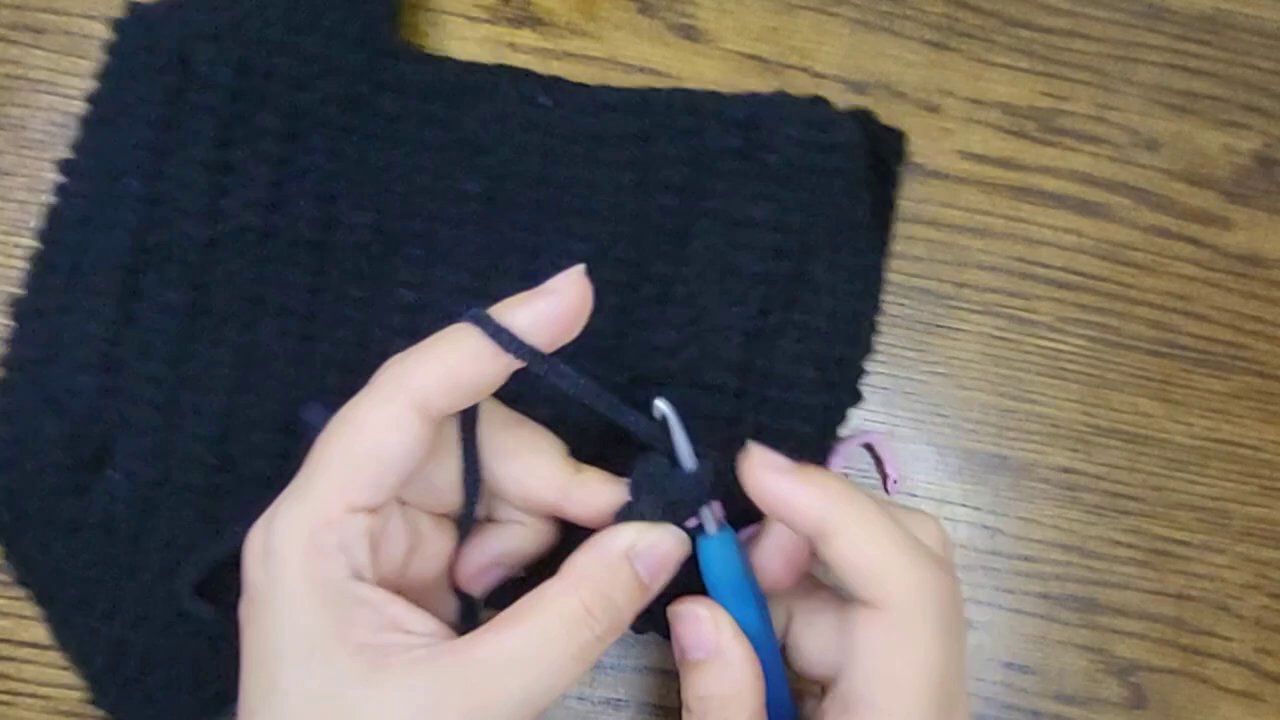
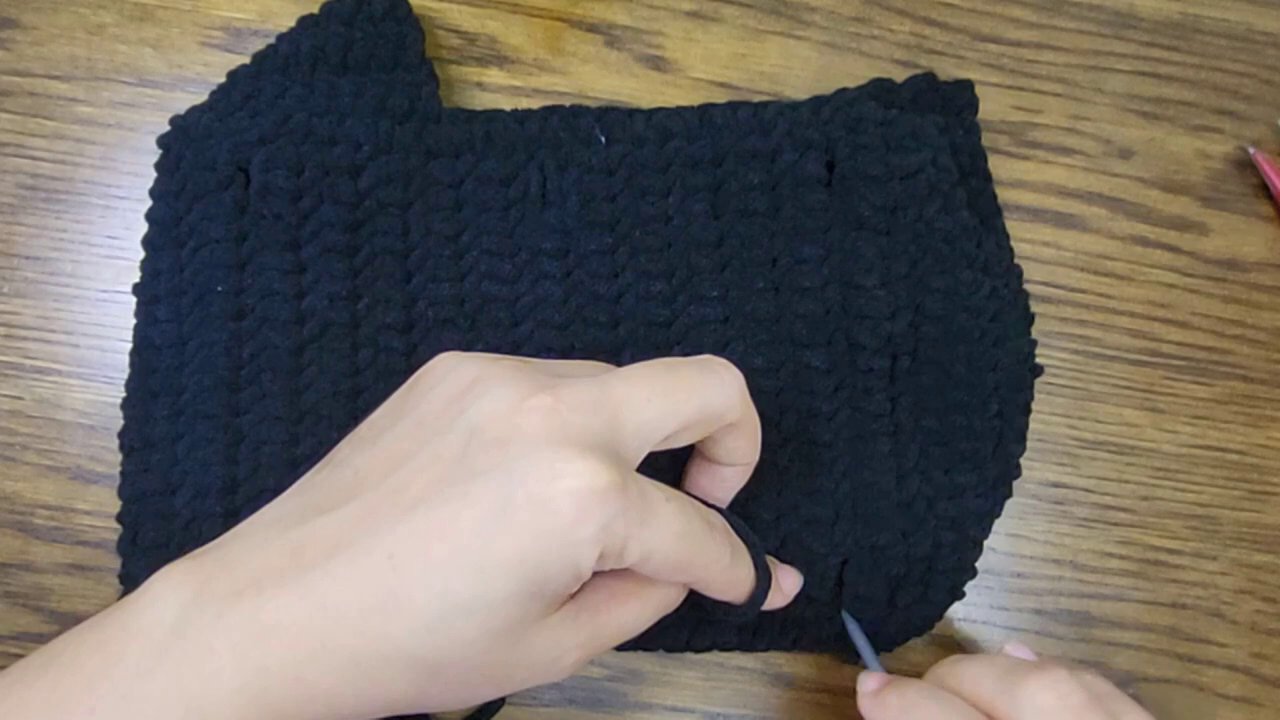
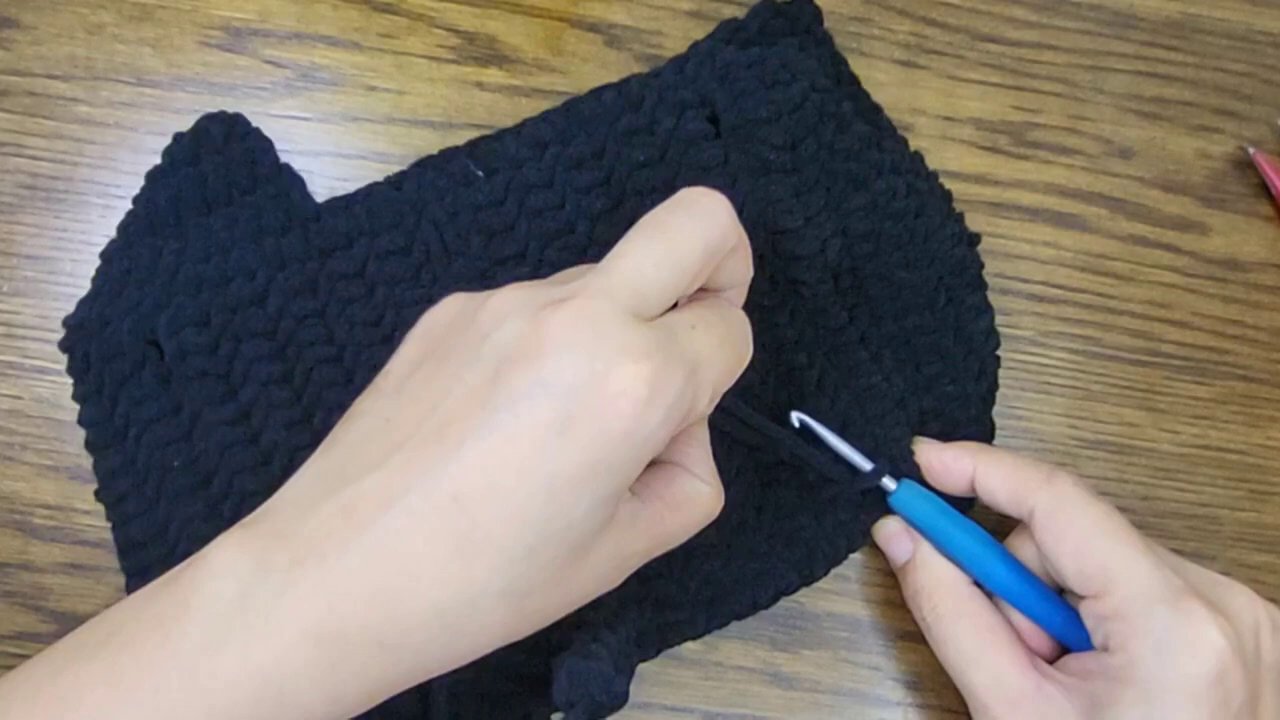
The beauty of this craft lies in its simplicity of materials. You’ll need a crochet hook—a blue-handled one is shown in the tutorial—and your chosen yarn. A wooden table or any stable, flat surface provides the perfect crafting station, allowing you to focus on the tension and consistency of your stitches. The process is methodical and repetitive, making it an excellent project for practicing basic crochet techniques while creating something genuinely useful.
Gathering Your Tools and Materials
To begin your own seat post cover, you’ll need to assemble a few key items. Having everything prepared before you start will make the process smoother and more enjoyable.
- Yarn: A durable, medium-weight (worsted or aran) yarn is ideal. Acrylic, cotton, or a wool blend will provide the necessary structure and wear resistance. The tutorial features a solid black, which is practical and hides dirt well.
- Crochet Hook: Select a hook size that corresponds with your yarn weight. The visible blue-handled hook in the footage is likely a comfortable size for the crafter, such as a 5.0 mm (H-8) or 5.5 mm (I-9).
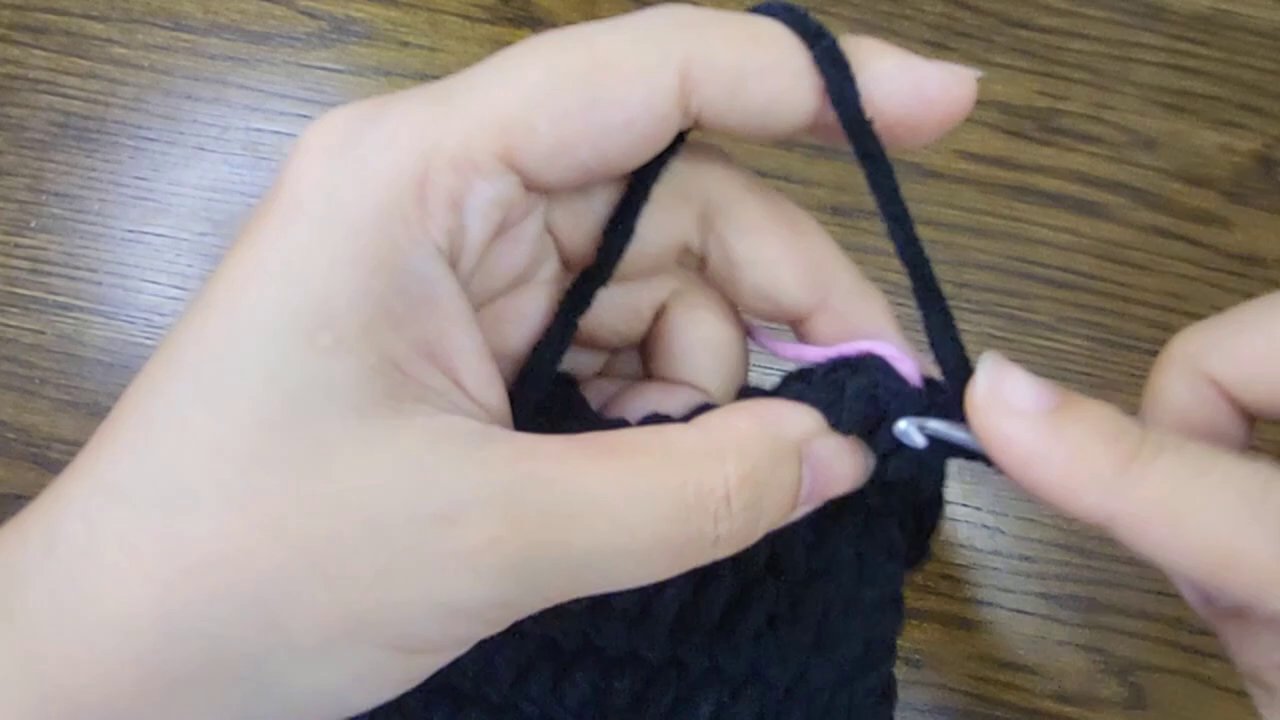
- Supplementary Tools: Keep a pair of scissors for cutting yarn and a yarn needle for weaving in ends handy. A pink object, possibly a stitch marker or a smaller hook for detail work, is also visible in the frame, reminding us that having extra tools within reach is always helpful.
- Stable Surface: A wooden table or desk offers a firm, neutral background that doesn’t distract from the work and provides ample space.
The Crochet Process: Step-by-Step Technique
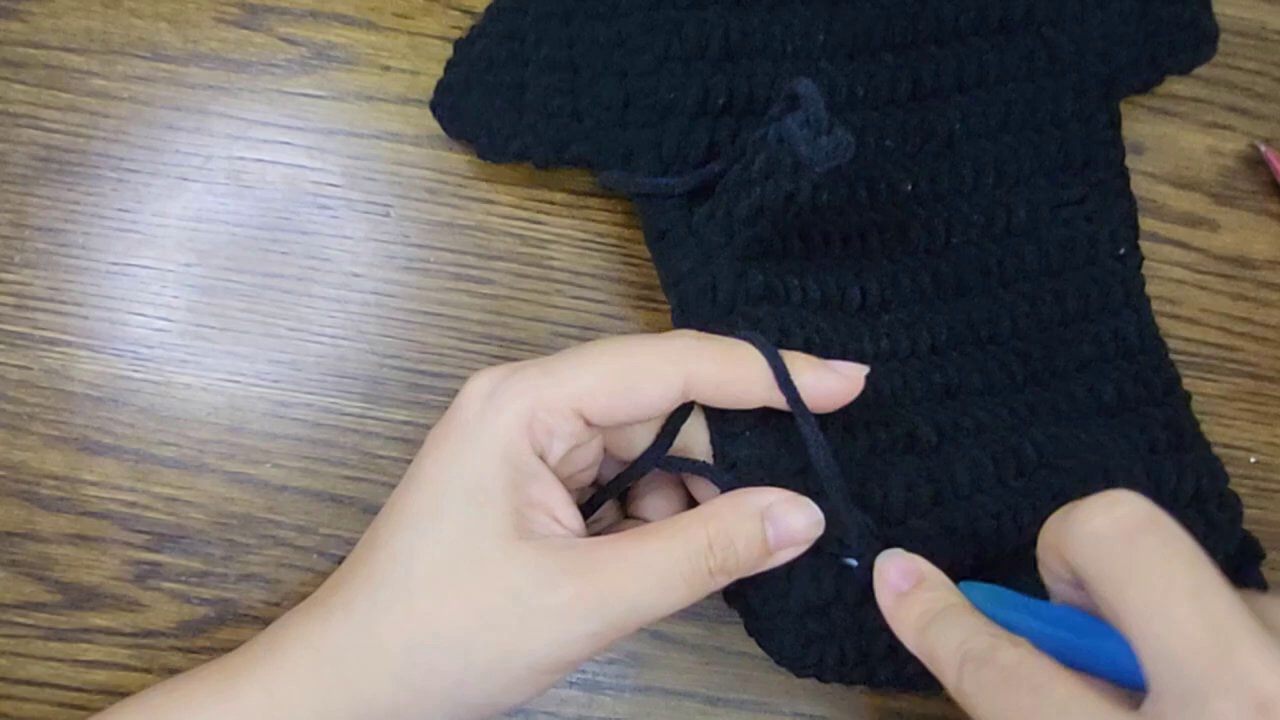
The core of the video is a masterclass in focused handiwork. The crafter’s hands are the star, demonstrating a fluid and confident technique. Let’s break down the observable steps to guide your own creation.
- Starting the Foundation Chain: The project begins with a foundation chain. The length of this chain will determine the circumference of your seat post cover. It’s essential to chain loosely enough to allow the cover to slide on but tightly enough to hug the post securely.
- Working in the Round: To form the tube, you will join the chain into a circle and work in continuous rounds. The video shows the hands manipulating the hook to create stitches—likely single crochets or half-double crochets—which build a dense, sturdy fabric.
- Maintaining Consistent Tension: One of the most critical aspects shown is the consistent tension in the yarn. The crafter’s left hand (if right-handed) expertly feeds the yarn, while the right hand maneuvers the hook. This even tension ensures all stitches are uniform, creating a professional-looking tube without unwanted bulges or tight spots.
- Building Height: Row by row, the cover grows in height. The process is repetitive but requires attention to count your rounds, ensuring both sides are even. The wooden surface provides a perfect backdrop to see the developing texture of the stitches clearly.
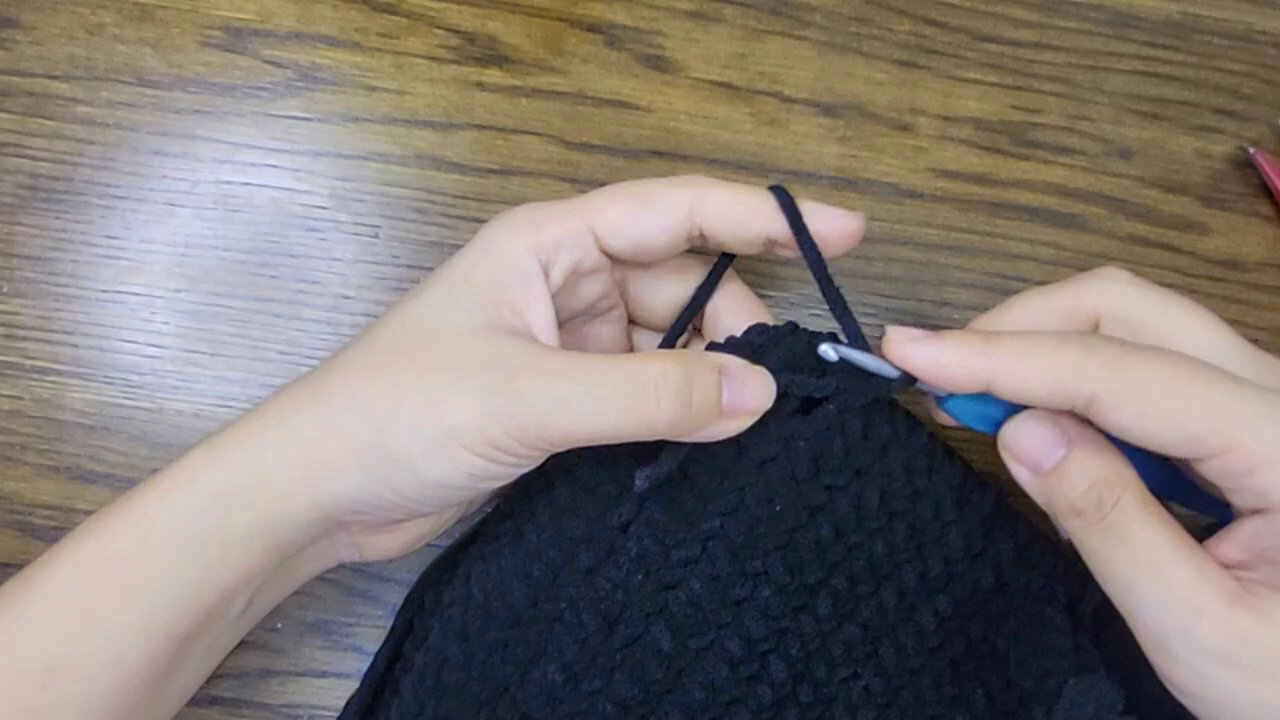
The technique emphasizes a “yarn over, pull through” motion that is fundamental to crochet. Each stitch is formed by catching the yarn with the hook and drawing it through loops already on the hook. The pink tool in the corner may be used as a stitch marker to denote the beginning of a round, a helpful tip for keeping your place in a continuous spiral.
This project shares the same meticulous, round-by-round construction as many amigurumi projects, like creating a Cute Crochet Hedgehog Plush Toy, though the goal here is a functional tube rather than a stuffed shape.
Tips for a Perfect Fit and Finish
Creating a cover that fits well requires some forethought. Here are key considerations drawn from the careful work shown in the tutorial:
- Measuring Your Seat Post: Before you make your first chain, measure the circumference of your bicycle’s seat post. Create a small gauge swatch in the round with your chosen hook and yarn to see how many stitches per inch you get. Use this to calculate the exact number of foundation chains needed.
- Choosing the Right Stitch: A tight stitch like a single crochet will create a denser, more protective fabric. The stitch used in the video appears to create a solid, textured fabric ideal for abrasion resistance.
- Managing Yarn Tails: As you work, you’ll have a starting tail. It’s wise to crochet over this tail as you work the first few rounds to secure it and minimize later weaving. The focused hands in the video show no loose ends, indicating clean technique from the start.
- Testing as You Go: Periodically slide your work onto the seat post to check the fit. It’s easier to adjust a few rows in than to complete the entire cover only to find it’s too tight or too loose.
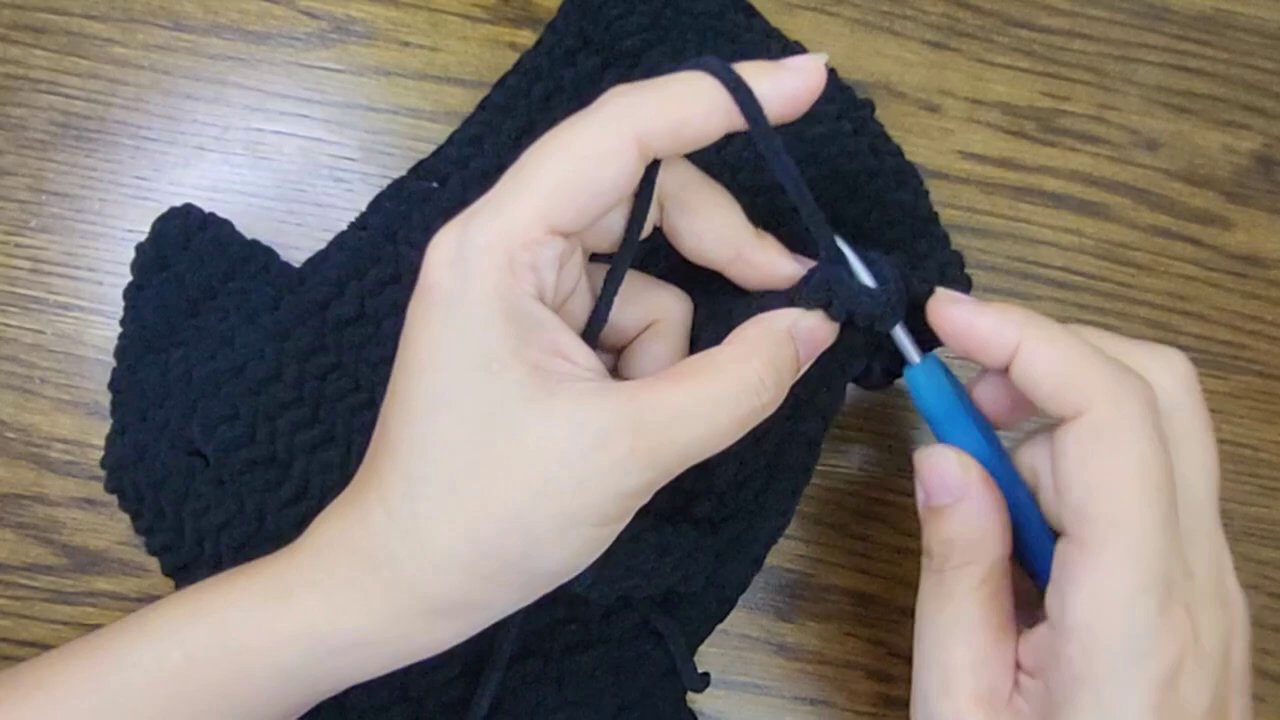
The final stages involve finishing the top edge neatly and securing the bottom. You might choose to finish with a round of slip stitches or a simple reverse single crochet (crab stitch) for a clean, rolled edge. Weave in all ends thoroughly using your yarn needle to ensure the cover is durable and washable.
For crafters who enjoy the process of following a precise pattern to achieve a perfect fit, the structured approach here is similar to working from a detailed PDF guide, such as the Caterpillar Crochet Pattern, which also emphasizes gauge and consistent stitching for a specific result.
Conclusion: The Reward of Handmade Utility
Crocheting a seat post cover is more than just a craft project; it’s an exercise in mindfulness that results in a tangible, useful item. As demonstrated in the tranquil, focused video, the rhythm of the stitches—hook moving, yarn looping, fabric growing—is a calming and rewarding practice. You end up with a custom-made accessory that protects your bicycle and reflects your personal skill and care.
The key takeaways are to start with the right materials, pay close attention to tension and gauge for a perfect fit, and embrace the repetitive, meditative nature of the work. This project proves that crochet’s applications are wonderfully diverse, extending far beyond blankets and scarves into the realm of personalized gear and practical solutions. So, grab your blue-handled hook and some black yarn, find a quiet spot at your wooden table, and start stitching your way to a more customized ride.